
Living in Southern California, we often joke that our winter involves putting on a light sweater when the temperature drops below 65 degrees. But as our Winter Plumbing Checklist reminds us, even mild climates can create risks for our homes. While we don’t face the blizzards of the East Coast, our homes are still vulnerable to the cold. In fact, because our infrastructure isn’t built for freezing temperatures, SoCal plumbing is often more susceptible to damage during unexpected cold snaps than homes in colder climates.
When the mercury dips near freezing overnight in Ventura or Los Angeles counties, uninsulated pipes in attics, crawl spaces, and exterior walls are at risk. A burst pipe can cause thousands of dollars in water damage in a matter of minutes. The good news is that preventing these disasters usually requires only a little preparation and vigilance.
This guide provides a comprehensive winter plumbing checklist tailored specifically for Southern California homeowners. By taking these proactive steps, you can protect your home, save money on potential repairs, and ensure your plumbing system runs smoothly all season long.
Identify and Insulate Exposed Pipes
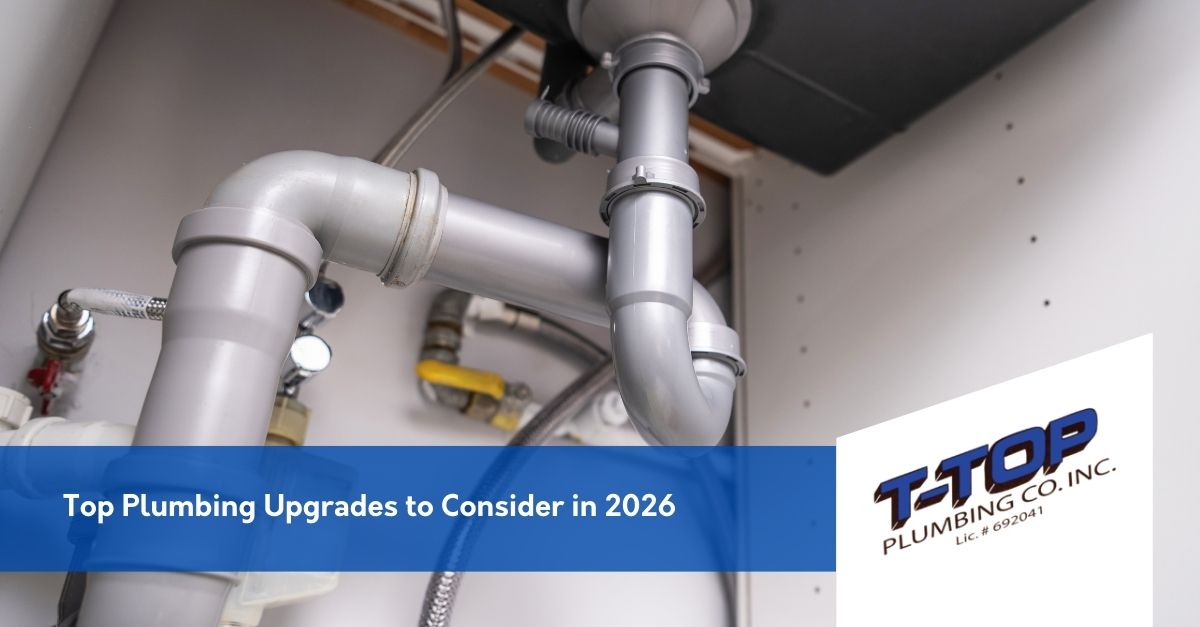
The most critical step in winterizing your plumbing is identifying which pipes are exposed to unheated air. In Southern California home construction, water lines often run through uninsulated areas that get significantly colder than the living spaces inside your house.
Focus your attention on these key areas:
- Attics and Crawl Spaces: These areas are rarely insulated as well as the main house. Pipes running through here are the first to freeze.
- Garages: If your water heater or laundry hookups are in the garage, the supply lines are likely exposed.
- Exterior Walls: Pipes located in outside walls are less protected than those in interior walls.
Once you have identified these vulnerable pipes, insulate them. You can purchase foam pipe insulation sleeves at any local hardware store. They are inexpensive and easy to install—simply slit them open and slide them over the pipe. For tighter bends or valves, you might need specialized pipe tape. This simple barrier keeps the heat in the water and the cold air out, preventing freezing.
Seal Drafts and Air Leaks
insulation is only half the battle. Cold air moving rapidly through a crack or hole creates a draft that can freeze a pipe much faster than stagnant cold air. This phenomenon, known as wind chill, affects inanimate objects just like it affects your skin.
Inspect the exterior of your home and the unheated areas mentioned above. Look for gaps around:
- Windows and doors near plumbing fixtures.
- Dryer vents.
- Cable or electrical wiring entry points.
- Foundation cracks near crawl space openings.
Use caulk or expanding spray foam to seal these gaps. By stopping the flow of cold air, you help maintain a safer ambient temperature around your plumbing.
Maintain Consistent Indoor Temperatures
It might be tempting to turn the heater off completely when you leave for work or go on a holiday vacation to save on utility bills. However, maintaining a consistent indoor temperature is crucial for your plumbing health during colder months.
Plumbing experts recommend keeping your thermostat set to at least 55 degrees Fahrenheit, even when you are away. This ensures that the warm air circulating inside the walls keeps the pipes warm enough to prevent freezing. If you are home, keeping the house at a comfortable temperature usually provides enough ambient heat to protect interior plumbing.
Let Warm Air Circulate
Sometimes, the pipes most at risk are hidden right inside your kitchen or bathroom cabinets. Under-sink plumbing, especially on exterior walls, can get surprisingly cold because the cabinet doors block the room’s heat from reaching the pipes.
On particularly cold nights, open the cabinet doors under your kitchen and bathroom sinks. This allows the warmer air from your home to circulate around the pipes. It is a simple, zero-cost trick that can make the difference between a flowing faucet and a frozen disaster.
Disconnect Outdoor Hoses
This is a step often overlooked in Southern California because we use our garden hoses year-round. However, leaving a hose attached to an outdoor spigot (hose bib) can trap water inside the faucet. When that trapped water freezes, it expands and can crack the fixture or the pipe leading into the house.
Disconnect all garden hoses, drain them, and store them for the winter. If you have shut-off valves for your outdoor faucets inside your home (common in newer construction), turn them off and drain the excess water from the spigot. If you don’t have an interior shut-off, consider installing an insulated faucet cover. These hard foam domes create an insulating air pocket around the spigot.
Your Printable Winter Plumbing Checklist
To make this easier, we have compiled these steps into a quick checklist. You can copy and paste this into a document to print or save on your phone.
Exterior
[ ] Disconnect, drain, and store all garden hoses.
[ ] Install insulated faucet covers on outdoor spigots.
[ ] Clear rain gutters to ensure proper drainage away from the home’s foundation.
[ ] Seal cracks or holes in exterior walls, especially near hose bibs or vents.
Interior
[ ] Locate your main water shut-off valve (know how to turn it off in an emergency).
[ ] Open cabinet doors under sinks on exterior walls during cold nights.
[ ] Set the thermostat to a minimum of 55°F, even when away.
[ ] Listen for running toilets or dripping faucets and repair them immediately.
Attic/Crawl Space/Garage
[ ] Inspect for uninsulated water supply lines.
[ ] Install foam pipe sleeves on exposed pipes.
[ ] Check for and seal drafts near plumbing lines.
[ ] Inspect your water heater for signs of rust or leaks.
When to Call a Professional
Even though many of these tasks are suitable for DIY projects, certain situations still call for a professional’s expertise. If you suspect you already have a leak, can’t find your main shut-off valve, or have hard-to-reach pipes that need insulation, it’s safest to call a licensed plumber.
At T-Top Plumbing, we understand the unique layout of homes in Ventura and Los Angeles counties. We have trucks positioned throughout the area, allowing us to generally dispatch a plumber to your home the same day you call.
We pride ourselves on honesty and accessibility. We know plumbing issues can be stressful on a household budget, which is why we assess every situation with integrity. If a simple fix is all you need, that is exactly what we will recommend. We are here to help everyone in our community keep their homes safe and dry, regardless of budget constraints.

Stay Warm and Dry This Winter
Preparing your plumbing for winter doesn’t have to be a major project. A Saturday afternoon spent insulating pipes and sealing drafts offers peace of mind that lasts all season. By following this checklist, you are protecting one of your home’s most vital systems against the surprising chill of a Southern California winter.
If you need assistance with your winter prep or have a plumbing emergency, don’t hesitate to reach out.