When you bring a new baby home or move into a new house with young children, “babyproofing” usually tops the to-do list. You likely installed safety gates, outlet covers, and furniture anchors. These are great first steps, but plumbing safety is often overlooked, even though your plumbing system can pose serious risks to children.
Water is fascinating to children. It splashes, it flows, and it makes interesting noises. Unfortunately, this curiosity can lead to injuries, burns, or significant property damage if you aren’t careful. From scalding water temperatures to the alluring danger of the toilet bowl, your bathroom and kitchen hold hidden risks.
Creating a plumbing-safe home doesn’t require a complete renovation. With a few adjustments, new habits, and the right hardware, you can drastically reduce the risk of accidents. Here is a comprehensive guide to plumbing safety for families, covering everything from the water heater to the kitchen sink.

The Bathroom: Securing the Water Zone
The bathroom is the most dangerous room in the house for plumbing-related accidents. It is where water is most accessible and where children often spend time unsupervised during potty training or bath time.
Locking Down the Toilet
To an adult, a toilet is a functional necessity. To a toddler, it is a water table at the perfect height for playing. This poses two major risks: drowning and sanitation. Young children are top-heavy; if they lean over to look at the water, they can easily topple in and may not have the upper body strength to push themselves back out.
Beyond the safety risk to the child, there is the risk to your plumbing. Toys, keys, and entire rolls of toilet paper often find their way into the bowl. A “swimming” action figure can cause a severe clog that requires professional removal.
The Solution: Install toilet lid locks. These simple devices keep the lid shut when not in use. They are easy for adults to open but difficult for small hands to maneuver. Additionally, keep the bathroom door closed or use a high latch or doorknob cover to restrict access entirely when you aren’t around.
preventing Slips and Falls
Water inevitably ends up on the floor during bath time. Tile floors become incredibly slippery when wet, leading to hard falls and bumps.
The Solution: Use non-slip mats both inside the tub and on the floor next to it. Ensure the rugs on the floor have a rubberized backing so they don’t slide out from under little feet. Teach children to sit while in the tub and not to stand up until the water has drained or you are holding their hand.
Water Temperature: Avoiding Scalds
One of the most critical plumbing safety tips involves something you can’t see: the temperature of the water coming out of your faucet. A child’s skin is significantly thinner than an adult’s, meaning they can suffer third-degree burns in a matter of seconds if the water is too hot.
Check Your Water Heater
Many water heaters come from the factory set to 140 degrees Fahrenheit. While this ensures you never run out of hot water during a shower, it is dangerous for households with children. At 140 degrees, water can cause a serious burn in just three seconds.
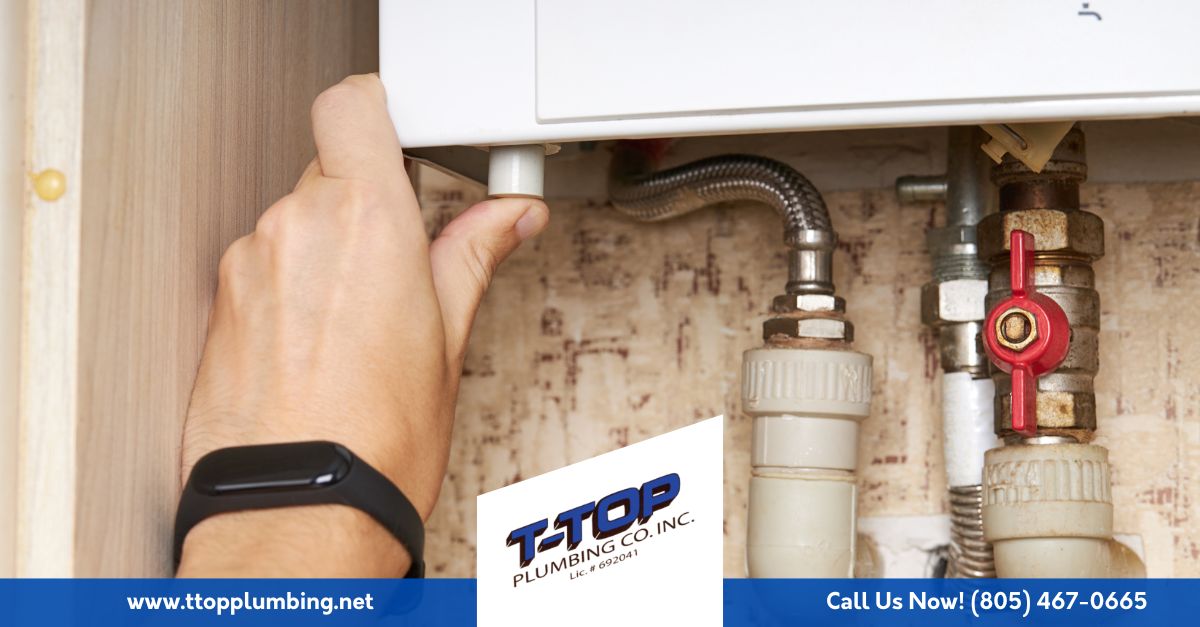
The Solution: Locate your water heater and find the thermostat dial. Adjust the temperature down to 120 degrees Fahrenheit. This temperature is still hot enough to kill bacteria and provide a comfortable shower, but it slows the time it takes to cause a burn to several minutes, giving you time to react if a child accidentally turns on the hot tap.
Install Anti-Scald Devices
Even with the water heater turned down, temperature fluctuations can happen. If someone flushes a toilet while another person is showering, the cold water pressure drops, potentially sending a scald-inducing burst of hot water through the showerhead.
The Solution: Consider installing anti-scald devices on your faucets and showerheads. These valves sense the water temperature and automatically restrict the flow if it gets too hot. This is a smart upgrade for any family bathroom.
Drain Safety and Clog Prevention
Drains are another source of fascination for children. They are also perfectly sized to trap small fingers or swallow small objects.
Utilizing Drain Covers
Standard drain stops often leave gaps large enough for a small finger to get stuck. This can be a terrifying experience for a child and a parent. Furthermore, without a cover, small toys, hair bands, and jewelry can easily disappear down the pipe, leading to difficult clogs deep in your system.
The Solution: Replace standard drain stoppers with mesh drain covers or safety-compliant drain plugs. These allow water to flow through while catching hair and debris, and most importantly, they act as a barrier to keep little fingers safe.
The “Flushable” Myth
As your children get older and start using the bathroom independently, you must teach them what can and cannot go down the toilet. “Flushable” wipes are a common culprit for household backups. Despite marketing claims, these wipes do not disintegrate like toilet paper. They snag on imperfections in the pipe, collect grease and other debris, and eventually form a blockage.
The Solution: Maintain a strict “Three Ps” rule: only Pee, Poop, and Paper (toilet paper) go down the toilet. Keep a wastebasket near the toilet for wipes, tissues, and hygiene products.
Kitchen Safety: The Garbage Disposal
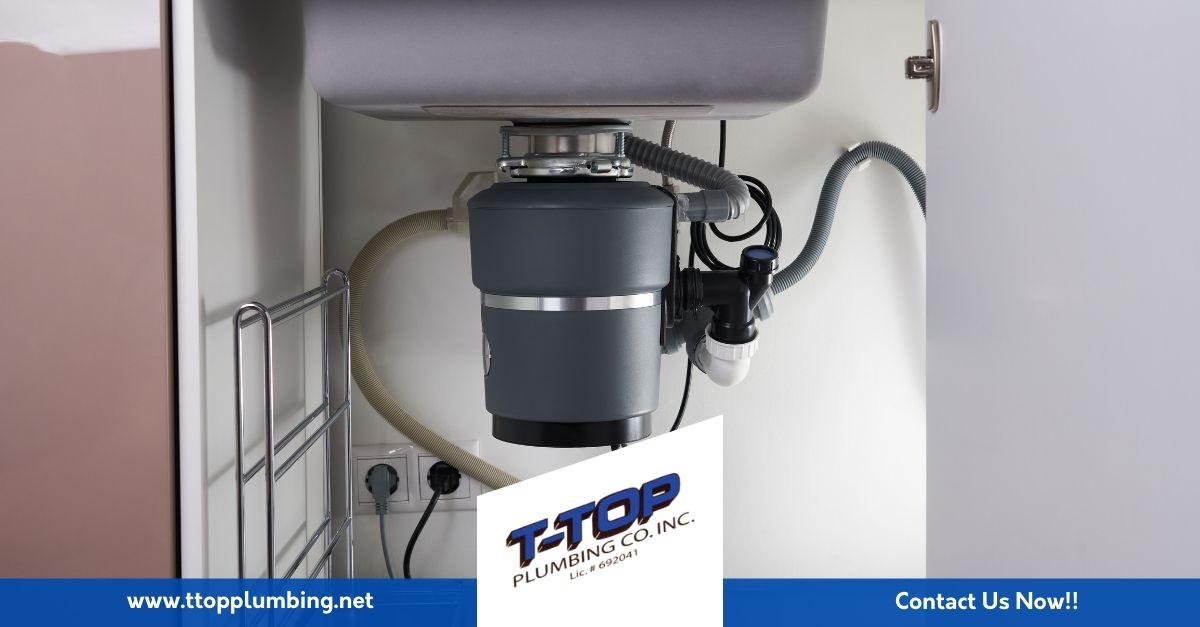
The kitchen is the heart of the home, but for a plumber, the garbage disposal is often the scariest appliance in the house. It utilizes sharp impellers and a high-speed motor to grind food waste.
Switch Placement and Awareness
In many homes, the garbage disposal switch is located on the wall within easy reach of a child, or sometimes under the sink cabinet. A child may flip the switch without realizing what it does.
The Solution: If you are remodeling or rewiring, consider placing the disposal switch in a location that requires an adult’s reach. If that isn’t possible, teach children that the disposal is not a toy. Never leave the kitchen unattended while the disposal is running.
Proper Operation
Never use your hands to push food into the disposal. If something falls in—like a spoon or a toy—turn the power off at the circuit breaker before attempting to retrieve it with tongs, never your fingers.
Protecting Exposed Pipes
If you have an older home or a specific design style, you might have exposed pipes under a wall-mounted sink. The metal pipes carrying hot water can get surprisingly hot to the touch.
The Solution: Insulate any exposed hot water pipes with foam pipe insulation. This is an inexpensive fix that prevents accidental contact burns. It also has the added benefit of keeping your water hotter as it travels to the faucet.
Chemical Storage and Accessibility
While not strictly a “mechanical” plumbing issue, the area under the sink is the traditional storage spot for plumbing chemicals: drain cleaners, bleach, and surface sprays. These are incredibly toxic.
Drain cleaners, in particular, are highly caustic. If a child manages to open a bottle of chemical drain opener, the fumes alone can be damaging, and contact with skin or eyes causes severe chemical burns.
The Solution: Move these chemicals to a high shelf in a utility closet or garage. If they must stay under the sink, install high-quality magnetic locks on the cabinet doors. Standard plastic latches are often easily defeated by determined toddlers.
When to Call a Professional
Even with the best preventative measures, plumbing issues can arise. Sometimes, ensuring your home is safe requires an expert eye. Whether you need to lower your water heater temperature, install anti-scald valves, or fish a favorite toy out of the main line, professional help ensures the job is done correctly and safely.
At T-Top Plumbing, we understand that your family’s safety is paramount. We specialize in plumbing installations for custom homes, room additions, and remodels, but our expertise doesn’t stop there. We can handle any repair or installation job you may have.
Whether you need us to service a leaky faucet, clear a clogged drain, detect a slab leak, or outfit a new tilt-up building, we’re just a phone call away with the assist. We’ve worked on everything from single-family homes, apartments, and condominiums to shopping centers and hospitals. No job is too big or too small for our plumbers. By partnering with a trusted service provider, you can ensure your home’s plumbing remains a convenience, not a hazard.