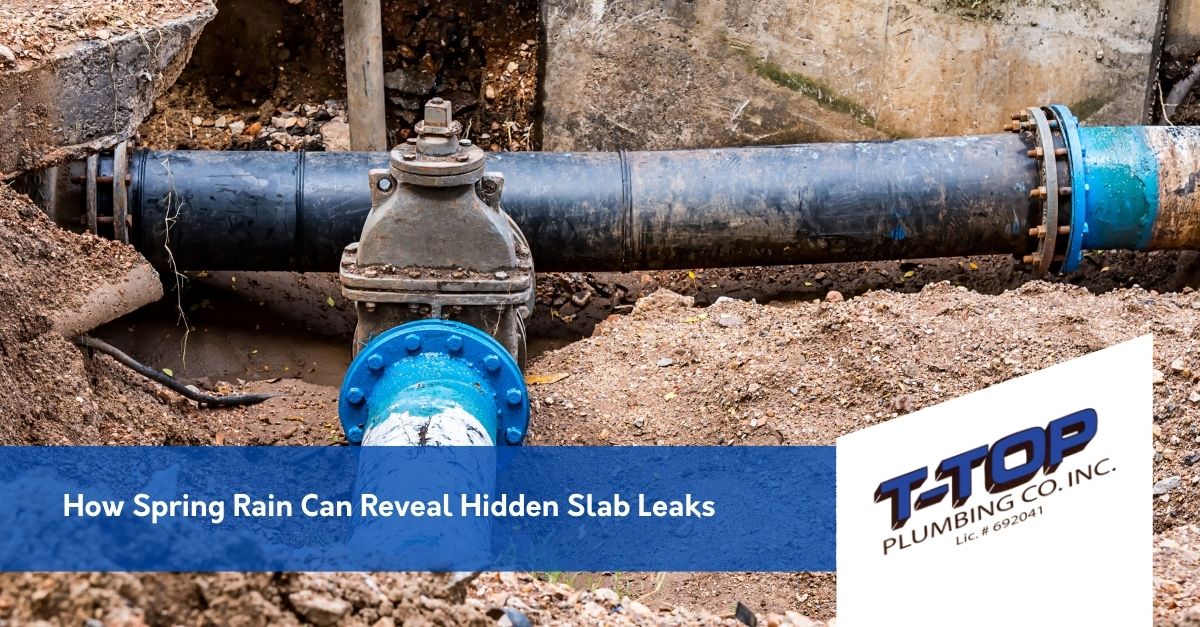
Spring is a season of growth—and not just above ground. While trees are budding new leaves and lawns are greening up, something less visible is happening beneath your yard. Root intrusion begins when tree roots push outward in search of water and nutrients, and your sewer line is exactly what they’re looking for.
For homeowners in Ventura and Los Angeles counties, spring root intrusion is one of the most common—and most overlooked—causes of sewer line damage. A slow drain might seem like a minor annoyance, but it can be the first sign of a root system quietly tearing through your pipes. Left unchecked, the damage can escalate fast, turning a straightforward fix into a costly repair.
This post covers everything you need to know: why roots target sewer lines in spring, the warning signs to watch for, and how modern leak detection methods can pinpoint the problem before it gets worse.
Why Spring Is Peak Season for Root Intrusion
Tree roots grow wherever conditions favor them—and your sewer line offers everything a root needs to thrive. Warmth, moisture, and a steady stream of nutrients make underground pipes a prime target.
Root growth accelerates in spring for a simple reason: soil temperatures rise after winter, triggering trees to expand their root systems rapidly. Mature trees can extend their roots anywhere from two to three times the width of their canopy. In suburban neighborhoods where homes sit close to mature trees, sewer lines often fall directly within that range.
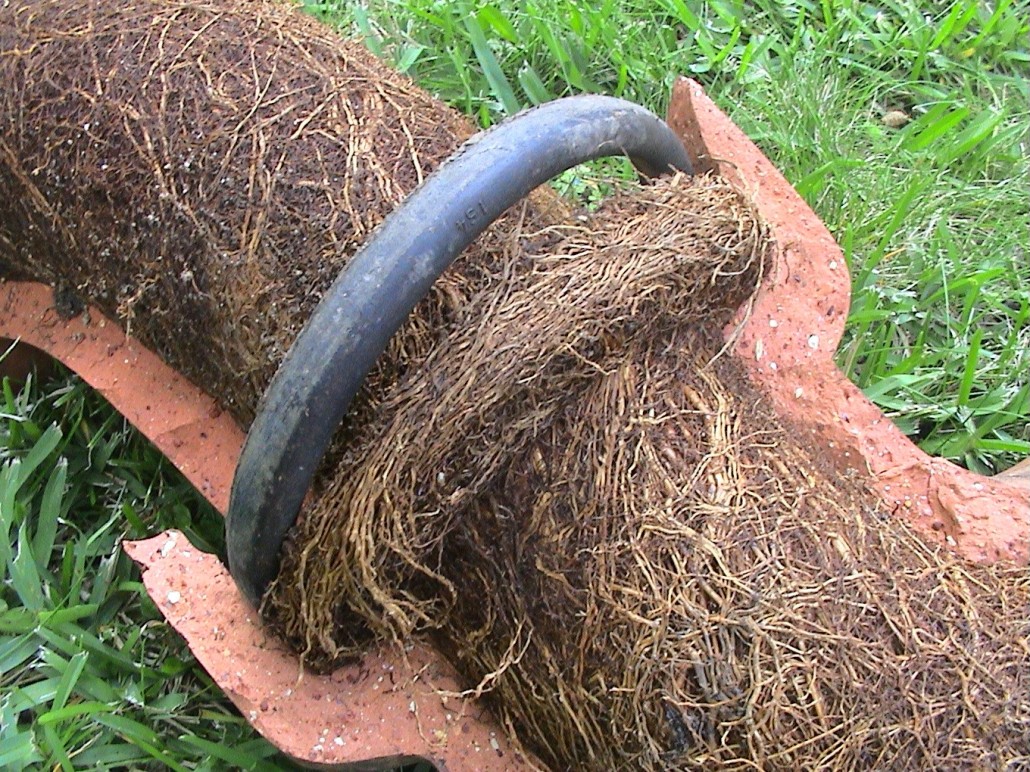
Roots don’t need a large opening to get inside a pipe. They enter through hairline cracks, deteriorating joints, or slightly loose connections—gaps that may have gone undetected for years. Once inside, roots follow the water source, growing larger and branching out until the pipe becomes partially or fully blocked.
Older clay and cast iron pipes are particularly vulnerable. The materials degrade over time, making them easier to crack and penetrate. But even PVC pipes are at risk if the joints aren’t sealed perfectly.
Warning Signs of Root Intrusion in Your Sewer Line
Root damage rarely announces itself all at once. It tends to build slowly, with subtle clues appearing weeks or even months before a full blockage or break occurs. Here are the key signs to take seriously.
Slow Drains Throughout the House
An occasional slow drain in one bathroom could point to a localized clog. But when multiple drains in your home—sinks, showers, toilets—are sluggish at the same time, that’s a red flag. It typically points to a blockage or restriction somewhere in the main sewer line, not just a surface-level clog.
Recurring Drain Backups
If you’ve had your drains cleared and the problem keeps coming back within weeks or months, roots are often the reason. Standard drain clearing can cut through roots temporarily, but without treating the underlying intrusion, the blockage returns. Recurring backups are one of the clearest indicators that something structural is happening deeper in the line.
Gurgling Sounds from Drains or Toilets
That gurgling noise you hear after flushing the toilet or draining the sink? It happens when air is trapped by a partial blockage. As water tries to push past an obstruction—like a growing root mass—it displaces air, creating that telltale sound. It’s a sign the line is compromised but still partially functional.
Sewage Odors Inside or Outside
Root intrusion can cause small cracks in the pipe to expand over time. When that happens, sewage gases can escape into the surrounding soil and, in some cases, seep into your home. A persistent sewer smell near floor drains, in crawl spaces, or around your yard warrants prompt attention.
Unusually Lush or Soggy Patches in the Yard
If one section of your lawn is greener, thicker, or softer than the rest—especially near where your sewer line runs—it may be feeding on a slow leak. Escaping sewage acts as a fertilizer, creating a visible difference in grass growth above the affected pipe.
Why a Camera Inspection Is the Right First Step
When any of these signs appear, the instinct might be to reach for a drain snake and hope for the best. But clearing a line without knowing what’s inside it is a short-term fix at best.
A sewer camera inspection sends a waterproof camera through the pipe, giving a direct view of what’s happening inside. Within minutes, a plumber can see exactly where the roots have entered, how extensive the intrusion is, and whether the pipe has cracked or shifted. That information makes a real difference—it determines whether hydro jetting and root removal will solve the problem, or whether a section of pipe needs to be repaired or replaced.
At T-Top Plumbing, camera inspections are paired with modern electronic leak detection technology, which is especially valuable when root damage isn’t fully visible through a camera alone. This method uses electronic signals to precisely locate the source of underground sewer leaks—without unnecessary digging. For homeowners in Ventura and Los Angeles counties, where mature trees and aging infrastructure often coexist, this technology removes the guesswork from an otherwise difficult diagnosis.
What Happens If Root Intrusion Goes Untreated
Ignoring the early signs of root intrusion rarely ends well. Roots that enter a pipe don’t stop growing. Over time, they can completely obstruct the line, causing sewage to back up into your home. In more severe cases, a root-filled pipe can crack under pressure, leading to underground leaks that erode the surrounding soil.
Soil erosion beneath a yard or driveway creates voids—and voids can cause sinkholes. In worst-case scenarios, root intrusion that goes unaddressed for years can destabilize the ground and cause significant structural problems.
The cost difference between treating early-stage root intrusion and repairing a collapsed sewer line is substantial. Early intervention is almost always the more cost-effective path.
Reducing the Risk: Long-Term Prevention
Once root intrusion has been treated, there are steps you can take to reduce the likelihood of it recurring.
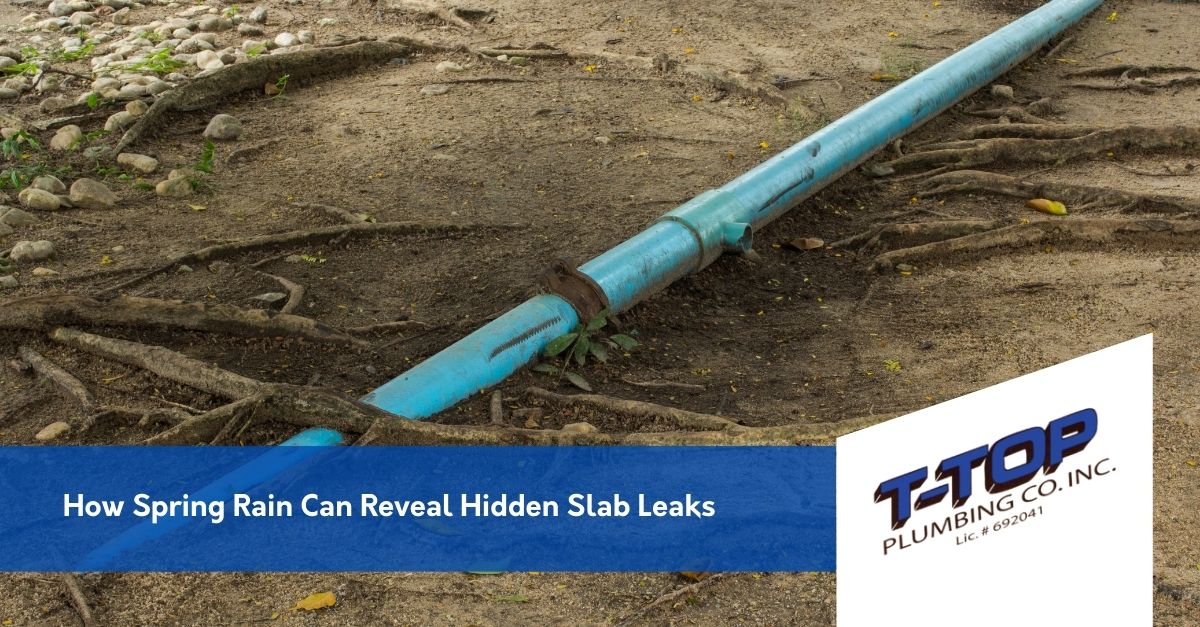
Know where your sewer line runs. Understanding its path through your yard helps you make smarter decisions about where to plant trees and large shrubs.
Choose slow-growing or smaller tree species near sewer lines. Fast-growing species like willows, maples, and ash trees are well-known for aggressive root systems. Slower-growing or native varieties tend to be less invasive.
Schedule periodic inspections. Especially for older homes or properties with mature trees, an annual or biennial sewer inspection can catch early-stage root intrusion before it becomes a significant problem.
Consider root barrier installation. In some cases, physical or chemical root barriers can be installed between trees and sewer lines to redirect root growth away from the pipe.
Protect Your Sewer Line Before Spring Gets Ahead of You
Spring root intrusion follows a predictable pattern—roots grow fast, find the nearest water source, and exploit any weakness in a pipe. The homeowners who fare best are the ones who recognize the early signs and get a professional assessment before the damage compounds.
If your drains are slow, your toilets are gurgling, or you’ve noticed any of the other warning signs covered here, don’t wait. T-Top Plumbing serves homeowners across Ventura and Los Angeles counties with electronic leak detection and sewer camera inspections designed to locate the source of the problem accurately and efficiently. Getting ahead of root intrusion now means fewer surprises—and lower repair costs—down the road.
[/fusion_text][/fusion_builder_column][/fusion_builder_row][/fusion_builder_container]